



Sri Lanka’s Elephants – Giants of Grace, Power, and Spirit
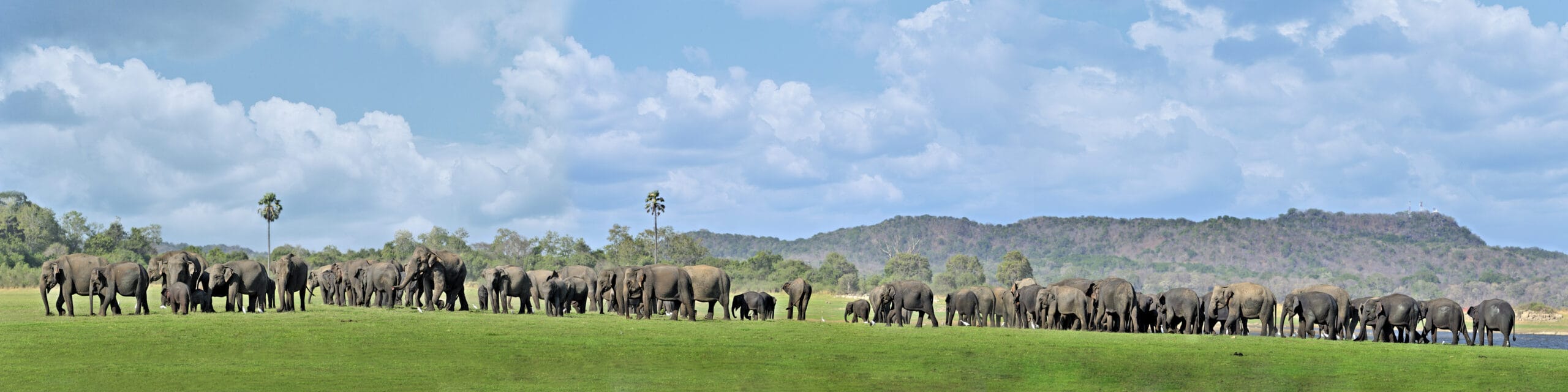
Few experiences rival the awe of encountering a wild elephant in Sri Lanka — a moment where time slows, the forest hushes, and nature reveals its noblest guardian. With their gentle eyes and thunderous yet elegant presence, Sri Lankan elephants are more than just wildlife; they are deeply woven into the island’s heritage, spirituality, and ecosystems.
A Unique Subspecies – The Sri Lankan Elephant
Sri Lanka is home to a distinct subspecies of the Asian elephant: the Sri Lankan elephant (Elephas maximus maximus). These are the largest and darkest-skinned elephants in Asia, with some males growing exceptionally large, though most do not grow tusks — a unique trait of this subspecies.
- Estimated population: ~6,000 elephants
- Conservation status: Endangered, protected under national law
- Distribution: Found across the island, especially in dry zone national parks and elephant corridors
Wild & Free – Best Places to See Elephants in the Wild
For travellers from New Zealand — where no land mammals roam wild — the sight of a wild elephant herd in its natural habitat is an unforgettable adventure. Sri Lanka offers some of the best elephant-viewing in all of Asia, in ways that are ethical, accessible, and inspiring.
Top Elephant-Watching Destinations:
- Minneriya National Park
- Home to the world-famous “Gathering” (July–September)
- Up to 300 elephants congregate around the Minneriya Tank during dry season
- One of the largest annual wild elephant gatherings on Earth
- Kaudulla & Hurulu Eco Park
- Extensions of the Minneriya elephant corridor
- Excellent year-round sightings of roaming herds
- Udawalawe National Park
- Arid grassland park, renowned for close-up sightings of large herds
- Excellent for photography with minimal vegetation obstruction
- Yala & Wilpattu National Parks
- Known for leopards but also home to impressive elephant populations
- Wilpattu in particular offers a quieter, more serene safari experience
- Wasgamuwa National Park
- Less touristy and rich in biodiversity, this is a haven for elephants and birdwatchers



A Deep Cultural Bond
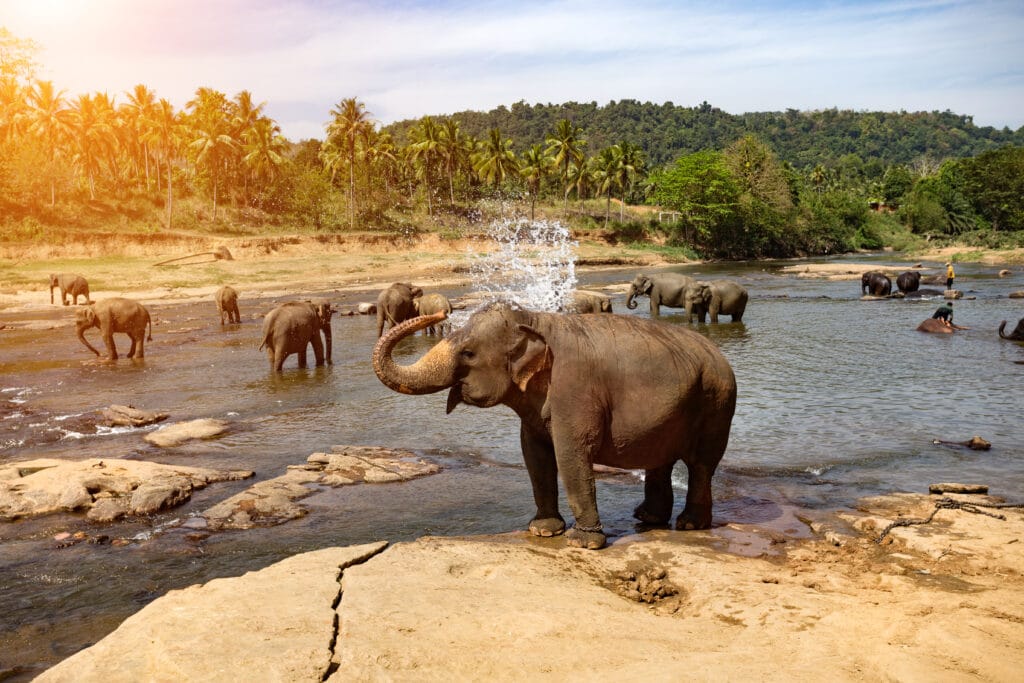
Elephants in Sri Lanka are not just wildlife—they are sacred beings. For centuries, they’ve played a central role in Sri Lankan life:
- In Buddhism, elephants are symbols of wisdom and strength.
- In religious festivals like the Esala Perahera in Kandy, elaborately adorned elephants carry sacred relics, watched by thousands.
- Elephants were once royal companions in ancient times, and their imagery appears in ancient carvings, coins, and temple murals.
Even today, elephants are revered in rural communities, though human-elephant conflict (HEC) has become a growing conservation challenge as development expands into traditional elephant ranges.
Elephant Conservation & Ethical Encounters
Sri Lanka takes elephant conservation seriously, with several initiatives focused on rescue, rehabilitation, and education:
- Udawalawe Elephant Transit Home – A government-run facility where orphaned baby elephants are cared for and released back into the wild. Visitors can observe feeding from a respectful distance.
- Millennium Elephant Foundation – Offers ethically managed elephant experiences (no riding), focused on welfare and awareness.
As a responsible traveller, avoid tourist attractions offering elephant rides, chains, or unnatural shows. Wild safaris and observation from a distance are the most sustainable and respectful ways to experience these majestic animals.
Tips for Elephant Watching in Sri Lanka
- Best time: July to September for “The Gathering” at Minneriya; otherwise, early mornings or late afternoons year-round in national parks.
- What to bring: A camera with zoom lens, hat, sunscreen, and binoculars.
- Behaviour to note: Watch for trunk gestures, ear flapping, mock charges, and calf interactions — all are signs of communication in these intelligent animals.
A Spiritual Encounter for Kiwi Travellers
For New Zealanders used to exploring landscapes filled with birdsong and quiet forest trails, the thrill of seeing a multi-ton elephant move silently through the trees or bathe joyfully in a lake is beyond imagination. It’s not just a wildlife sighting — it’s a spiritual connection to the Earth, ancient and alive.


Comments are closed