
Misty Hills of Sri Lanka

  • Home
  • Misty Hills of Sri Lanka

Misty Hills of Sri Lanka – Where Tea, History, and Highlands Unite

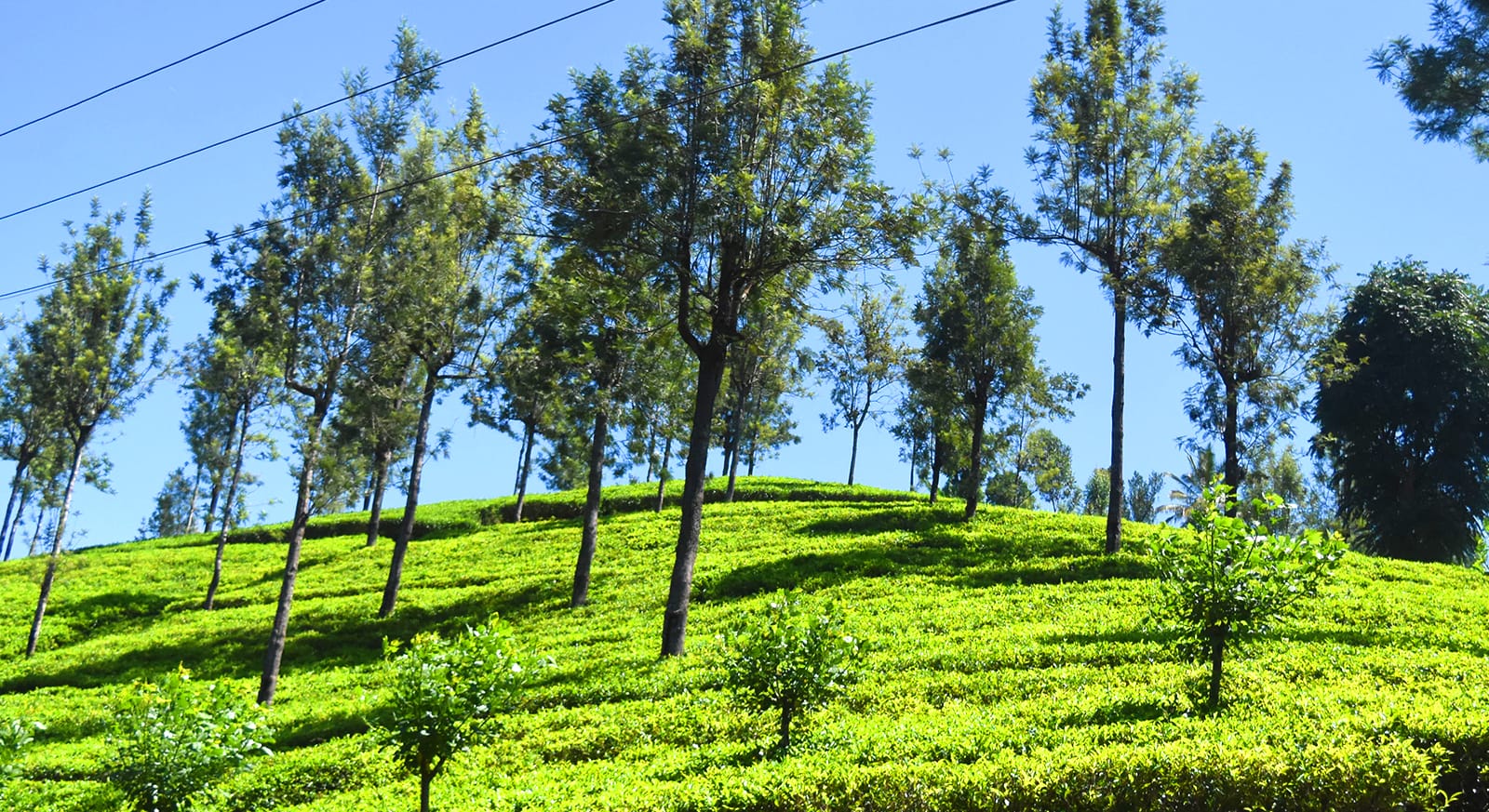
High in the heart of Sri Lanka’s central highlands lies a world cloaked in mist, emerald tea gardens, and timeless charm — the Misty Hills. Stretching across Nuwara Eliya, Ella, Haputale, and Hatton, this region is the soul of Sri Lanka’s tea heritage, where the air is cool, the scenery breathtaking, and the aroma of freshly plucked tea leaves lingers in the breeze.

For visitors from New Zealand, a country known for its lush landscapes and agricultural traditions, the Misty Hills offer an immersive journey into one of the world’s most iconic tea cultures — a perfect blend of nature, history, and sensory delight.

A Brief History of Tea in Sri Lanka

Tea was not always Sri Lanka’s signature crop. In the early 19th century, under British colonial rule, the island (then Ceylon) experimented with coffee cultivation. However, a fungal disease known as “coffee rust” devastated plantations by the 1860s.

In 1867, James Taylor, a Scottish planter, sowed the island’s first tea seedlings in Loolecondera Estate, Kandy. His success marked the beginning of what would become the world-famous “Ceylon Tea” industry. By the late 1800s, Sri Lanka was exporting tea globally, and today, it remains one of the top producers of high-quality black tea.

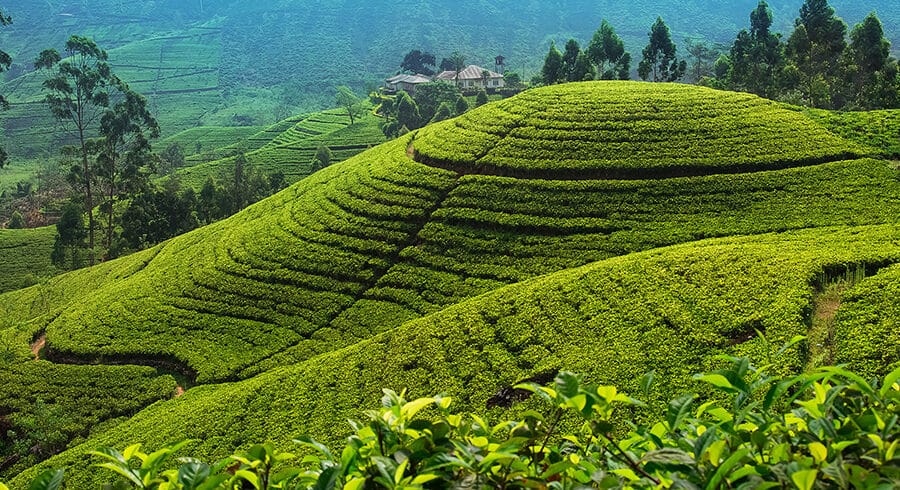
The Landscape of Tea – Misty Hills and Rolling Plantations

The tea-growing regions sit between 1,000 to 2,000 meters above sea level, where cool temperatures, high humidity, and frequent rainfall create ideal conditions for tea.

  • Nuwara Eliya – Known as “Little England,” its cool climate produces light, aromatic teas. Visitors love its colonial charm, flower gardens, and elegant tea bungalows.
  • Haputale – Home to the famous Dambatenne Tea Factory, built by Sir Thomas Lipton. The region offers dramatic escarpments and views stretching to the southern coast.
  • Ella – A scenic hill town surrounded by tea fields, waterfalls, and hiking trails like Ella Rock and Little Adam’s Peak.
  • Hatton and Dickoya – A gateway to the Adam’s Peak pilgrimage and home to historic tea estates.

The patchwork of vibrant green terraces cascading down mountain slopes is not only beautiful — it’s the daily workplace of thousands of skilled tea pluckers, mostly Tamil women, who continue a 150-year-old tradition.

The Tea Manufacturing Process – From Leaf to Cup

Visiting a tea factory in the hill country is a must for anyone curious about how the humble leaf becomes a world-class beverage. Here’s how it’s done:

  1. Plucking
  • Only the top two leaves and a bud are plucked by hand — a highly skilled task requiring speed and precision.
  • Plucking is done early in the morning, and workers can gather between 15–20 kg per day.
  1. Withering
  • Fresh leaves are spread on tats (racks) to reduce moisture content by 50%.
  • This takes about 12–18 hours and softens the leaves for rolling.
  1. Rolling
  • Leaves are rolled either by machine or traditional methods to crush the leaf structure and release natural enzymes.
  • This step begins the oxidation process, which influences the tea’s flavor and color.
  1. Fermentation (Oxidation)
  • Rolled leaves are left to rest in controlled conditions for 1–3 hours.
  • Oxidation turns the leaves coppery-brown, developing flavor and strength — essential for black tea.
  1. Drying (Firing)
  • Leaves are dried at high temperatures (around 100°C) in large ovens.
  • This halts oxidation and locks in flavor and aroma.
  1. Grading and Sorting
  • The dried leaves are sorted by leaf size (whole leaf, broken, fannings, and dust).
  • Each grade has its own market and flavor profile.
  1. Packing
  • Final tea is packed into foil-lined chests or bags to maintain freshness and shipped worldwide.

Famous Tea Factories to Visit

  • Pedro Tea Estate – Near Nuwara Eliya; offers insightful factory tours and scenic tastings.
  • Dambatenne Tea Factory – Haputale; established by Sir Thomas Lipton and still in operation.
  • Blue Field Tea Factory – Ramboda area; combines manufacturing with beautiful garden views.
  • Mackwoods (Labookellie Estate) – A well-known estate with a colonial-style tea centre and café.

The Tea Experience – For New Zealand Travellers

  • Tea Tasting Tours: Sample a variety of black, green, and silver tip teas while enjoying panoramic views.
  • Stay in a Tea Bungalow: Restored colonial-era planter bungalows offer luxury stays amidst tea fields.
  • Tea & Wellness: Enjoy Ayurvedic treatments and yoga sessions infused with tea-based therapies.
  • Plantation Walks & Scenic Trails: Trek through estate paths, interact with tea pluckers, and learn how tea shapes rural life.

Much like New Zealand’s wine country or dairy highlands, Sri Lanka’s misty hills combine natural elegance with artisanal pride, making it an unforgettable travel experience.

Travel Tips

  • Best Time to Visit: February to April and August to October (cooler, clearer weather).
  • Climate: Expect cool temperatures (12–20°C), occasional mist, and fresh mountain air.
  • What to Pack: Light sweaters, walking shoes, rain gear, and a love for tea!

Misty Hills – Sri Lanka’s Living Legacy in Every Sip

The misty hills of Sri Lanka are not just a destination — they are a living legacy of craftsmanship, colonial heritage, and natural harmony. From the rhythmic motion of tea pluckers in the early morning to the gentle swirl of warm tea in your cup, every experience here tells a story. For travelers from New Zealand and beyond, it’s an invitation to slow down, breathe deeply, and savor tradition — one sip at a time.