
Sigiriya Rocks

Sigiriya – The Lion Rock Fortress of Sri Lanka’s Ancient Kings

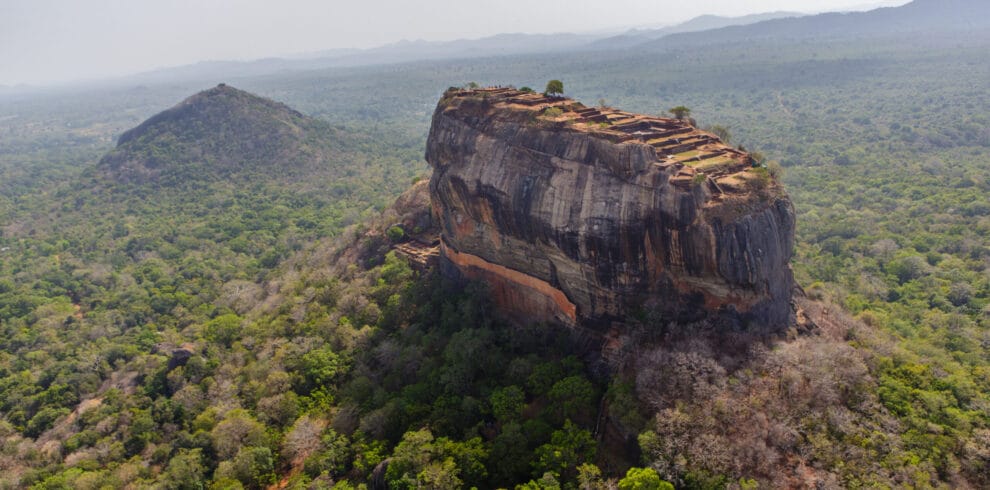
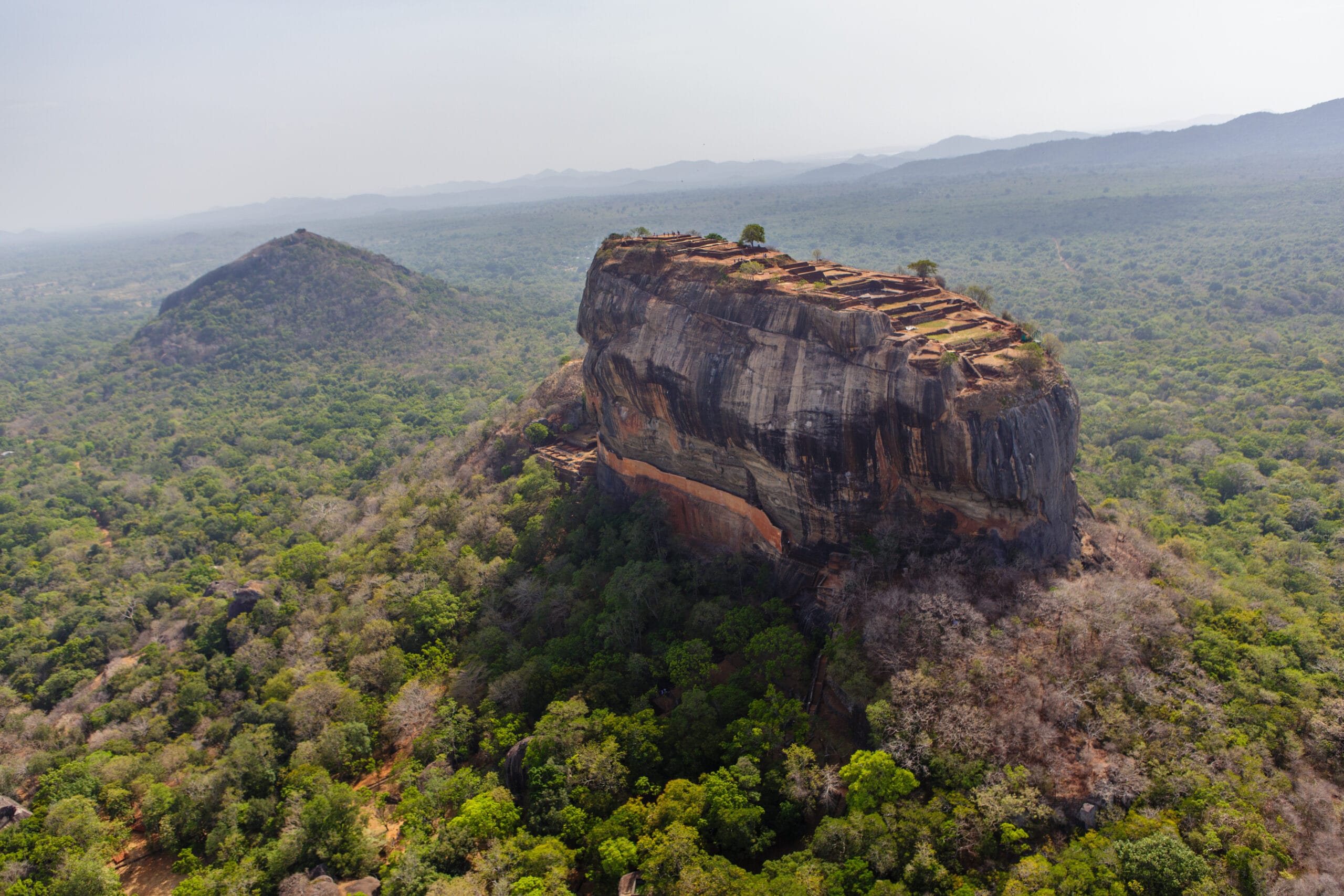
Rising dramatically 200 meters above the emerald canopy of Sri Lanka’s central plains, Sigiriya Rock Fortress — often called the Eighth Wonder of the World — is a place where myth meets engineering, and ancient vision meets timeless beauty. Built in the 5th century CE, this magnificent complex of palaces, frescoes, water gardens, and defensive marvels remains one of Asia’s greatest archaeological legacies.

For any visitor to Sri Lanka, Sigiriya is an unforgettable journey into the soul of a lost kingdom, rich in mystery, mastery, and monumental ambition.

🕰️ A Royal Capital in the Sky – The History Behind Sigiriya

Sigiriya, which means “Lion Rock”, was transformed into a royal citadel by King Kashyapa I (477–495 CE), the ambitious and controversial son of King Dhatusena. After seizing the throne in a palace coup, Kashyapa moved the capital from Anuradhapura to the more defensible Sigiriya, building a city-palace complex atop and around the monolithic rock.

It was not only a fortress but a statement of power, art, and cosmology, built to showcase Kashyapa’s divine right to rule. After his death in battle, the site was abandoned as a royal residence and later became a Buddhist monastery until the 14th century.

🏰 Architectural Marvels – A Palace Suspended Between Heaven and Earth

Sigiriya’s engineering is centuries ahead of its time. The site features a harmoniously integrated layout of defensive structures, landscaped gardens, and water features, many of which still function today.

Key Architectural Features:

  • Summit Fortress: The flattened rock top held the royal palace, complete with throne, bathing pools, and panoramic views
  • Lion’s Gate: A monumental entrance once flanked by a giant sculpted lion, whose paws still remain — giving Sigiriya its name
  • Water Gardens: Geometrically aligned pools, fountains, and moats still functioning with seasonal monsoon rains
  • Terraced Gardens: Carved into the rock face, these link the lower city to the summit
  • Boulder Gardens: Natural boulders modified into audience halls, meditation caves, and lookout points

This level of planning and construction — without modern tools — rivals the urban sophistication of Rome, the hydraulic genius of the Mayans, and the monumental vision of Egypt’s pyramids.

🎨 The Frescoes of Sigiriya – Heavenly Maidens on Stone

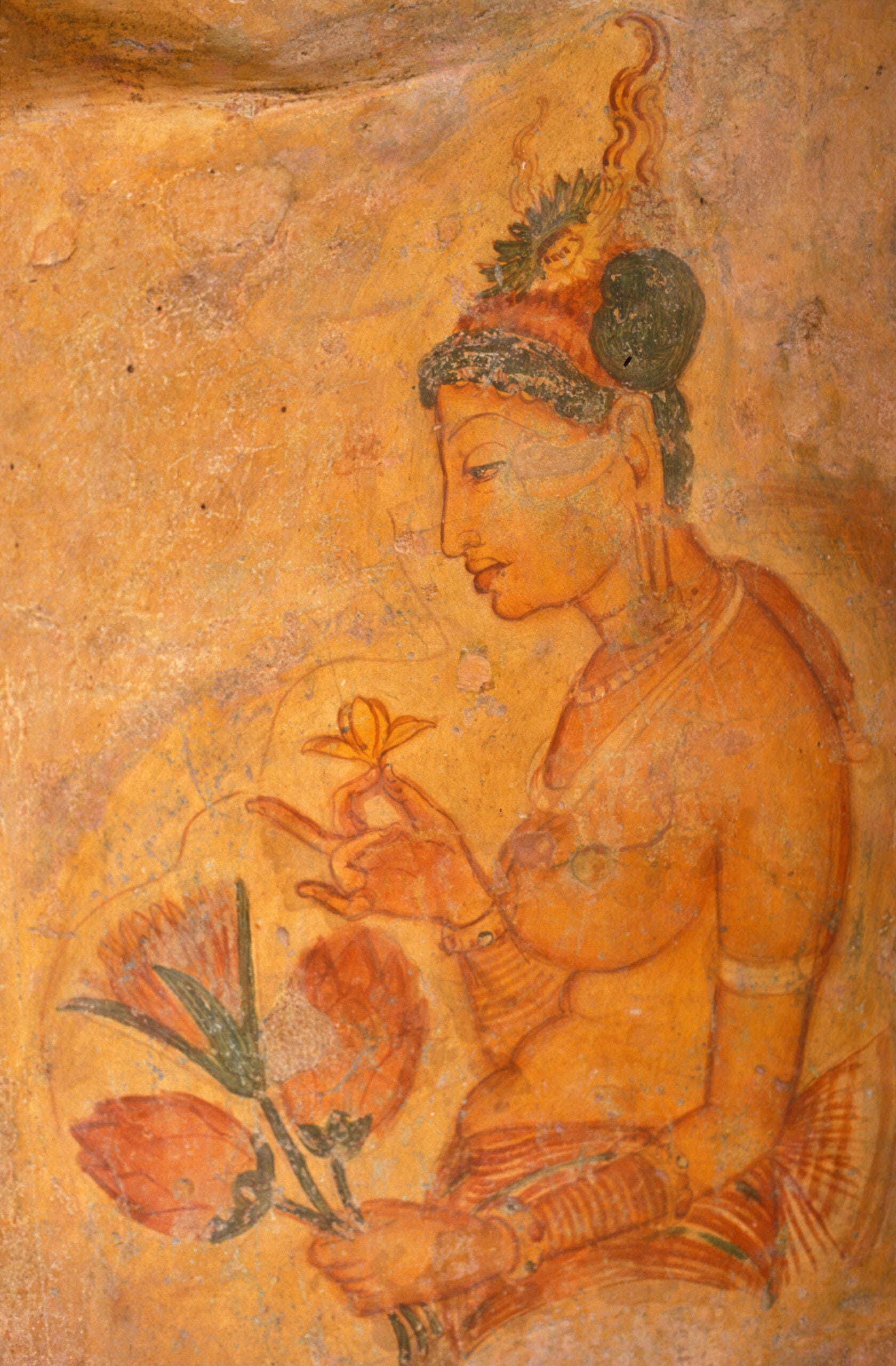
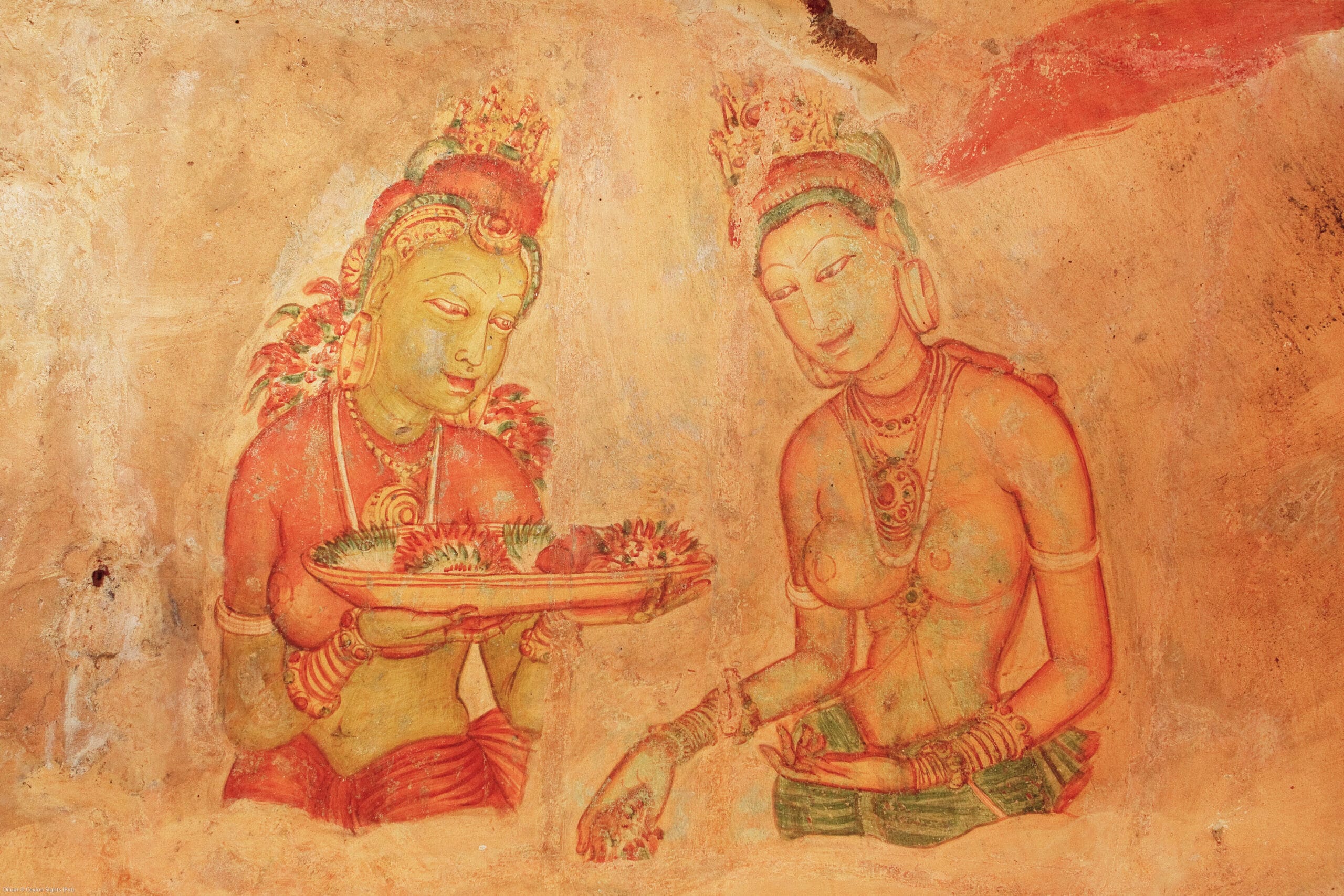
About halfway up the rock face, nestled in a sheltered pocket, is one of Sigiriya’s greatest artistic treasures: the frescoes of the “Apsaras”, or celestial maidens.

  • Painted with natural pigments on sheer rock
  • Believed to depict goddesses, royal consorts, or symbolic ideals of beauty
  • Originally over 500 figures; today about 20 remain, still vivid after 1,500 years
  • Their style is unique to Sri Lanka, with sensuous lines, expressive eyes, and flowing jewelry

The quality and preservation of these frescoes are comparable to Ajanta in India or Pompeii’s murals in Italy, offering insight into ancient Sri Lankan ideals of beauty, spirituality, and court life.

🪞 The Mirror Wall – Poetry Etched in Time

Running along the outer pathway of the rock is the Mirror Wall, originally polished so finely that the king could see his reflection as he walked past. But over the centuries, it evolved into something even more extraordinary — a gallery of ancient graffiti.

  • Inscriptions dating back to the 8th–13th centuries CE
  • Over 1,800 verses by monks, visitors, and poets carved into the wall
  • Themes include love for the frescoes, admiration for the gardens, and reflections on impermanence

These poems represent one of the oldest surviving examples of Sinhala literature, showing that even ancient tourists felt compelled to leave their mark — just in verse, rather than selfies.

🌍 Sigiriya in the Context of World History

Built in the 5th century CE, Sigiriya stands as a symbol of the ingenuity of South Asian civilizations at a time when other great cultures were reaching their own golden ages:

Region

Contemporary Civilizations & Events

Europe

Fall of the Western Roman Empire (476 CE); start of the early Middle Ages

China

Reign of the Liu Song dynasty; Buddhist art flourishing in Dunhuang

India

Gupta Empire’s classical age of science, math, and Sanskrit literature

Mesoamerica

Rise of the powerful Mayan city-states

New Zealand (Aotearoa)

Early settlement by Polynesian Māori navigators (c. 1200s CE onwards)

While the Western world was entering a so-called “Dark Age,” Sigiriya’s builders were designing fountains, cultivating art, and inscribing poetry in stone — placing Sri Lanka on the map of ancient global brilliance.

📸 A Journey to the Summit – What Modern Visitors Experience

Climbing Sigiriya is more than a physical ascent — it’s a spiritual and cultural pilgrimage. Along the way, visitors encounter:

  • Panoramic views of the surrounding jungles, lakes, and ancient ruins
  • A unique combination of archaeology and natural beauty
  • Troops of monkeys, rare birds, and butterflies
  • A deep sense of wonder at the human ability to blend vision, art, and environment

🌿 Tip for New Zealand travelers: The climb to the top is moderately challenging but manageable with breaks. Early morning visits offer cooler temperatures and stunning sunrises. Guided tours enrich the experience with stories and symbolism.

🧭 Why Sigiriya Captivates the Modern Traveler

  • For historians – A rare look into ancient Sri Lankan kingship and creativity
  • For artists – Masterful use of color, composition, and sacred form
  • For nature lovers – A sanctuary of biodiversity, views, and tropical flora
  • For families – A meaningful day trip packed with history, mythology, and exploration
  • For mindful travelers – A place to reflect on impermanence, power, and beauty

✨ Sigiriya – Sri Lanka’s Crown Jewel Awaits You

Whether you’re a first-time visitor to Sri Lanka or a repeat traveler from New Zealand seeking deeper experiences, Sigiriya offers a fusion of myth, memory, and magnificence that stays with you long after you’ve descended the final step.

It is not just a place to visit — it’s a place to feel.