
As a CeylonKiwitours, we are dedicated to giving you the best travel experience in Sri Lanka. With our expert guides, comfortable transport, and well-planned tour packages, your journey will be smooth, safe, and full of amazing memories.
Among the many marvels of Sri Lanka’s ancient capital Anuradhapura, the Sandakada Pahana — or Moonstone — stands out as a true testament to the island’s rich artistry, symbolism, and spiritual heritage. This beautifully carved, semi-circular stone slab is found at the entrances of Buddhist temples and monastic buildings, silently welcoming visitors with profound meaning and exquisite craftsmanship.
For travellers, especially from culturally curious destinations like New Zealand, the Moonstone offers more than a glimpse into ancient architecture — it reveals the deep philosophical worldview of early Sri Lankan Buddhists.
What Is the Sandakada Pahana?
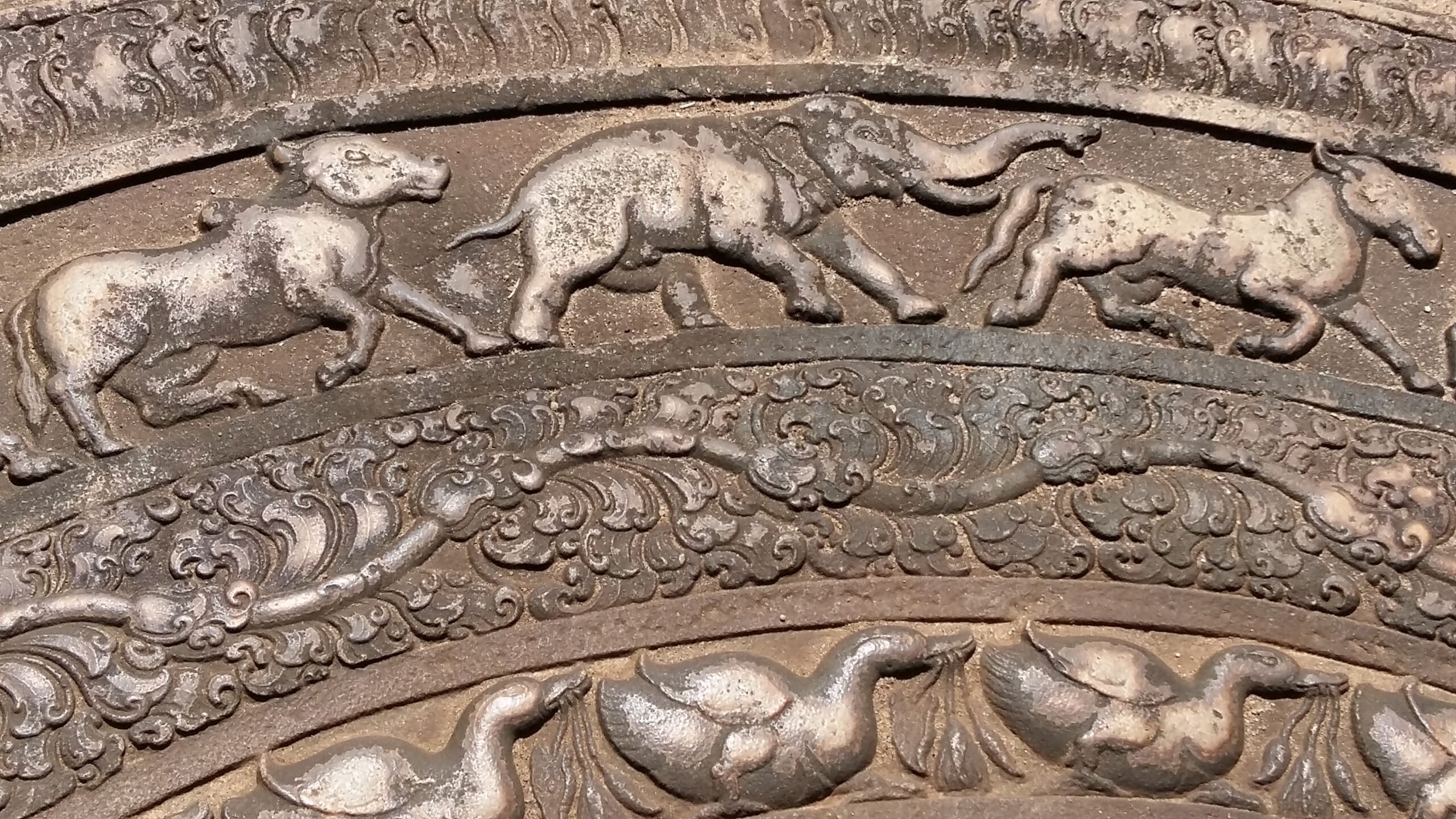
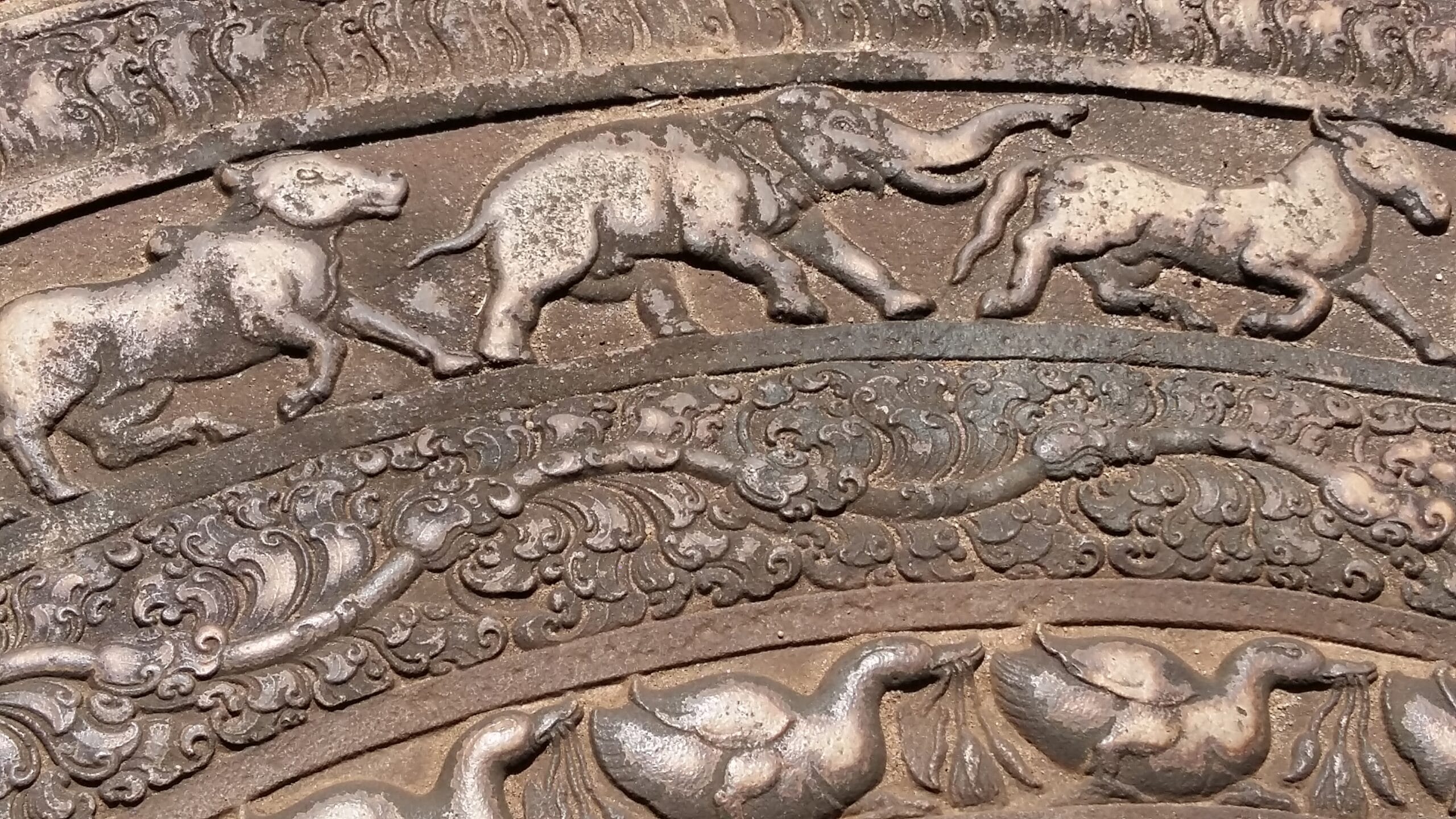
The Sandakada Pahana (Sinhala: සඳක්කඩ පහන), commonly referred to as the Moonstone, is a semi-circular stone slab placed at the foot of staircases leading into temples and important structures. These were first seen during the Anuradhapura period (3rd century BCE to 10th century CE) and reached their artistic peak during this time.
More than just decorative elements, Moonstones are deeply symbolic carvings, carefully designed to illustrate the Buddhist path to enlightenment.
Artistic and Symbolic Elements
A typical Sandakada Pahana is a concentric arrangement of carved bands, each depicting a different symbolic layer of existence and spiritual progression:
Outer Band – Flames or Creepers
Represents the cycle of birth and desire, symbolizing the never-ending nature of samsara — the cycle of life, death, and rebirth.
Animal Band
Features elephants, lions, horses, and bulls — each symbolizing various human traits such as desire, strength, speed, and stubbornness. Together, they represent the struggles and distractions of worldly life.
Floral Band – Liyavel
A band of lotus petal designs or creepers symbolizing purification and growth. The lotus, often emerging from muddy waters, is a symbol of spiritual awakening in Buddhism.
Swan Band (Hansa)
Swans are believed to have the mythical ability to separate milk from water, symbolizing the ability to discern good from bad, wisdom from ignorance.
Central Lotus
The innermost circle often depicts a full-bloom lotus, representing the final stage of Nirvana — complete spiritual liberation and peace.
Cultural and Religious Significance
Unlike purely artistic floor motifs, the Moonstone is a sacred threshold, guiding the devotee’s mind toward purification before entering the temple. It subtly encourages one to leave worldly desires behind, just as one ascends the steps to a place of worship.
In early centuries, these carvings were deeply tied to Buddhist cosmology and ethics, blending spirituality with everyday religious practice.
The Finest Examples in Anuradhapura
Anuradhapura is home to some of the most detailed and best-preserved Moonstones in Sri Lanka. Notable sites include:
Each Moonstone, while similar in concept, shows subtle variations in design, reflecting the era and the patron who commissioned it.
For New Zealand Travellers: Why It’s Worth Discovering
For tourists from New Zealand, where indigenous Māori art and symbolism hold deep spiritual significance, the Sandakada Pahana offers a fascinating parallel — a cultural artifact that is both beautiful and deeply meaningful.
Much like the Māori koru (spiral), the Moonstone reflects ideas of life cycles, growth, and inner transformation — concepts that transcend borders and religions. It’s a moment of quiet reflection, captured in stone.
Travel Tips
Step Into the Past — Literally
The Sandakada Pahana is not just a step — it’s a journey into the heart of ancient Buddhist thought. It tells the story of the human condition, the search for peace, and the beauty of spiritual awakening. When you stand before one in Anuradhapura, you’re not just visiting a ruin — you’re witnessing a timeless story carved in stone.