



Whales & Dolphins of Sri Lanka – A Symphony of the Sea
Imagine sailing into the Indian Ocean at sunrise, the air crisp and expectant. Suddenly, a spout erupts on the horizon, followed by the arching back of the world’s largest animal. Moments later, a pod of spinner dolphins leap and twist in joyful unison. This is Sri Lanka — where the ocean itself becomes a stage for nature’s greatest marine performances.
For travellers from New Zealand — an island nation rich in marine life — Sri Lanka offers a unique tropical contrast: a compact island with year-round whale and dolphin sightings, remarkably close to shore.
Marine Giants of the Indian Ocean
Sri Lanka is one of the top whale-watching destinations in the world, offering a front-row seat to observe over 25 species of marine mammals, including:
- Blue Whale (Balaenoptera musculus) – The largest animal to have ever lived
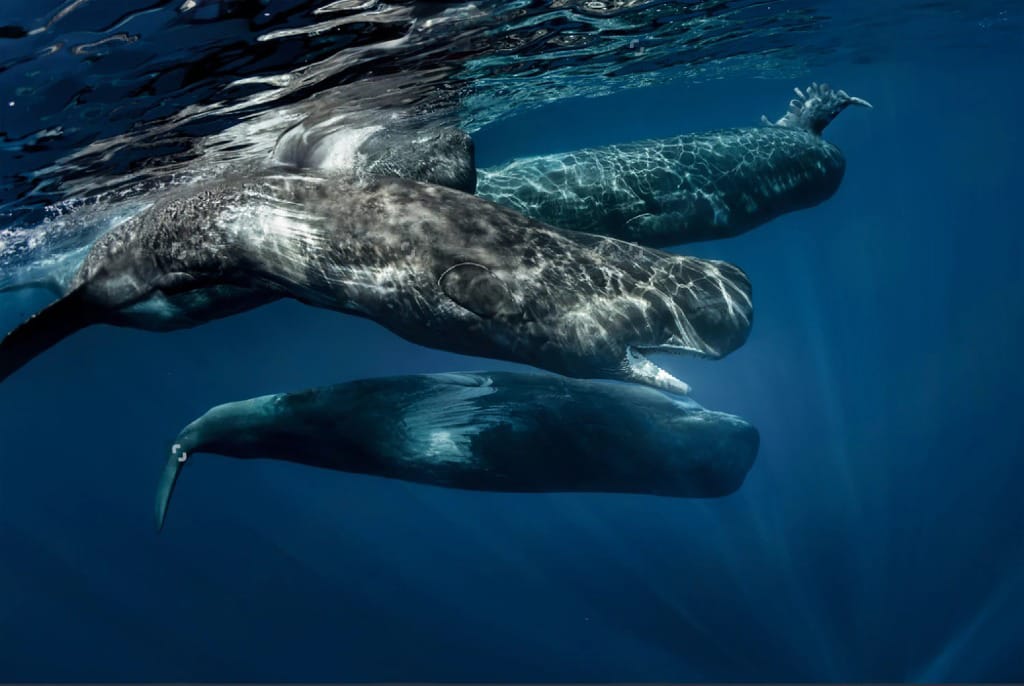
- Sperm Whale (Physeter macrocephalus) – Deep-diving and dramatic
- Bryde’s Whale, Fin Whale, Humpback Whale – Occasionally sighted
- Orcas (Killer Whales) – Rare but not unknown
- Spinner Dolphins, Bottlenose Dolphins, Risso’s Dolphins, and Striped Dolphins
📍 Top Dolphin & Whale Watching Spots in Sri Lanka
1. Mirissa (South Coast)
- Whale watching capital of Sri Lanka
- Blue whale sightings peak from November to April
- Morning tours leave from Mirissa Harbour; sightings often just 6–10 nautical miles offshore
- Dolphins often accompany boats en route
2. Kalpitiya (Northwest Coast)
- Best for large pods of spinner dolphins (sometimes hundreds)
- Peak season: November to March
- Calm, flat seas make for scenic, peaceful trips
- Some sperm whale sightings recorded
3. Trincomalee (East Coast)
- Excellent for blue and sperm whales from May to September
- Deep ocean trench close to shore supports rich marine life
- Scenic backdrop of beaches and temple-topped cliffs
The Spinner Dolphins – Acrobatics at Sea
Spinner dolphins are the ocean’s entertainers. Named for their gravity-defying aerial spins, they are highly social and playful, often seen:
- Riding the bow waves of boats
- Leaping and spinning in groups of 50–300
- Feeding and resting in synchronized formations
You’ll most often see them in Kalpitiya, Mirissa, and Trincomalee, making them a highlight for families and wildlife lovers alike.


The Blue Whale – Ocean’s Gentle Giant
Growing up to 30 metres in length, blue whales are a humbling sight. Unlike other regions, Sri Lanka offers one of the few places on Earth where you can reliably see blue whales close to shore, particularly in:
- Mirissa (Nov–Apr)
- Trincomalee (May–Sep)
Watching a blue whale surface, exhale a thunderous spout, and silently dive into the deep is an experience of profound serenity and awe.
Tour Experience & Ethical Practices
- Whale watching trips typically depart early morning, lasting 3–5 hours
- Choose operators committed to sustainable tourism:
- Maintain respectful distances
- Limit engine noise and crowding
- Follow international whale-watching codes
- Carry:
- Sunscreen, hat, windbreaker
- Binoculars and camera with zoom
- Seasickness tablets if needed
Conservation & Responsible Travel
Sri Lanka’s marine mammals face threats from:
- Shipping lanes, plastic pollution, and fishing gear entanglement
By choosing ethical operators and spreading awareness, tourists can play a role in protecting these extraordinary creatures for future generations.
Some marine conservation organisations also offer:
- Citizen science tours
- Marine biology workshops
- Community education projects
Moments You’ll Never Forget
- A blue whale fluke disappearing beneath turquoise water
- Spinner dolphins twirling joyfully just metres from your boat
- The thrill of hearing a whale blow or watching a calf follow its mother
These are not just wildlife sightings — they are spiritual moments, where nature moves in rhythm with your soul.
A Sea Safari Like No Other – For Kiwi Ocean Lovers
For travellers from Aotearoa, where whale watching is seasonal and often offshore, Sri Lanka offers a tropical oceanic counterpart, with more diversity in a shorter range and accessible, warm waters. You’ll be exploring ancient marine migration routes, encountering endangered giants, and enjoying island hospitality — all in a single morning on the Indian Ocean.

Comments are closed