




Leopards of Sri Lanka – Silent Shadows of the Jungle
In the golden stillness of dawn, the brush shifts. A pair of amber eyes glint through the foliage, followed by the elegant, fluid movement of spotted limbs. The leopard — elusive, regal, and powerful — steps into view. For many, this moment becomes the highlight of their journey to Sri Lanka.
Welcome to one of the best places in the world to see leopards in the wild. Unlike many other countries, where these big cats are rarely seen, Sri Lanka offers rare and intimate encounters with this stealthy predator, making it a top wildlife destination for safari lovers.
🐆 Meet the Apex Predator – Sri Lankan Leopard (Panthera pardus kotiya)
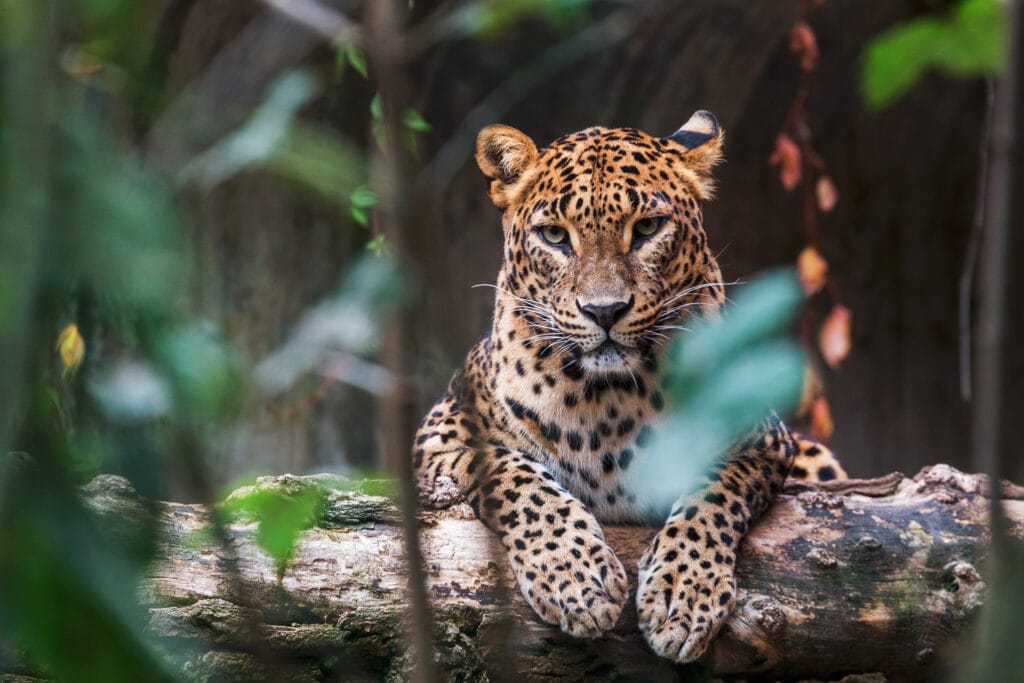
Sri Lanka is home to a unique subspecies of leopard, the Panthera pardus kotiya, which is endemic to the island and larger and more robust than its Indian cousins. As Sri Lanka’s top terrestrial predator, this leopard plays a vital ecological role in balancing prey populations and maintaining ecosystem health.
Key Facts:
- Population: Estimated at 800–1,000 in the wild
- IUCN status: Vulnerable
- Size: Males can weigh up to 90 kg — among the largest leopards in the world
- Habitat: Found across forests, grasslands, and even mountainous regions
What makes leopard sightings in Sri Lanka exceptional is the lack of competition from larger predators (no lions, tigers, or hyenas), making the Sri Lankan leopard less shy and more active during the day — a dream for wildlife photographers.


Best Places to See Leopards in Sri Lanka
Yala National Park (Block 1) – Leopard Capital of the World
- Highest density of leopards anywhere on Earth
- Located in the dry southeast region, Yala is a mosaic of scrub jungle, open plains, rocky outcrops, and wetlands
- Leopards here are frequently seen during daylight, often resting on rocks or walking along jeep tracks
Wilpattu National Park – The Land of Lakes and Stealth
- Less crowded than Yala, offering a more serene safari
- Dense forest interspersed with natural lakes (called “villus”)
- Ideal for patient wildlife lovers; sightings are rarer but often more dramatic
Horton Plains & Knuckles Range – Highland Ghosts
- Leopards roam these misty montane forests, but sightings are extremely rare
- Hikers occasionally spot tracks, and camera traps confirm their presence
Kumana, Lunugamvehera & Gal Oya – Off-the-Beaten-Path Gems
- Lesser-known parks offering chances for surprise encounters


Tips to Maximize Your Chances of Spotting a Leopard
- Go Early or Late
- Best times: Early morning (5:30–8:30 AM) and late afternoon (4:00–6:30 PM)
- Leopards are most active during cooler parts of the day
- Hire a Skilled Guide or Tracker
- Experienced guides know territorial zones, pugmarks (tracks), and fresh scat signs
- They’ll recognize alarm calls from monkeys or deer that signal a nearby predator
- Visit Yala on a Weekday
- Avoid crowded weekends for a quieter safari experience
- Fewer vehicles mean less disturbance and better chances of natural behavior
- Scan Rocky Outcrops and Tree Branches
- Leopards love basking on granite boulders, termite mounds, or lounging on horizontal tree limbs
- Bring binoculars or a camera with a 300mm+ zoom lens
- Be Patient and Silent
- Switch off the engine, stay quiet, and allow the jungle to speak
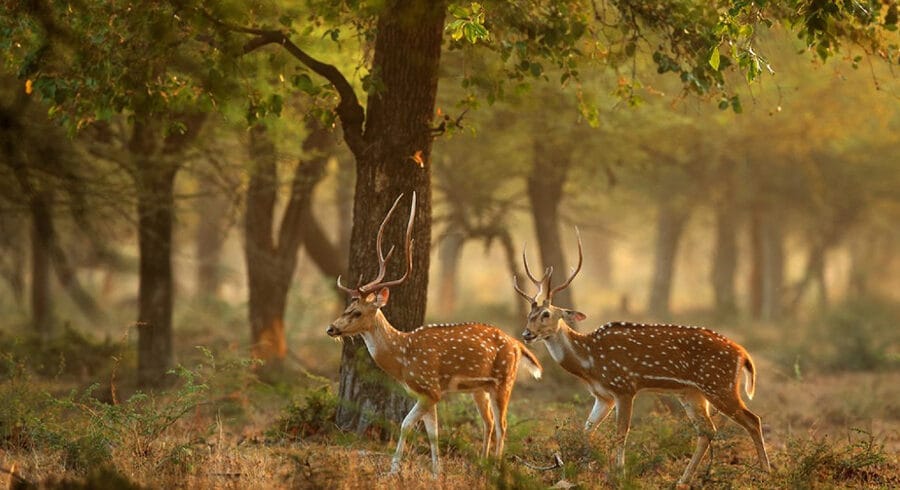
- Listen for spotted deer alarm calls, monkey cries, or sudden silences — all signs of a predator nearby
- Time Your Visit with the Dry Season
- Yala: Best from February to July (waterholes shrink, animals congregate)
- Wilpattu: Best from May to October
Cultural Significance and Conservation
In Sri Lankan folklore, the leopard is often depicted as a stealthy guardian of the wild, both feared and revered. While leopards are protected by law, they face growing threats from:
- Habitat loss due to agriculture and development
- Poaching and snaring (intended for wild boar or deer)
- Human-wildlife conflict near forest edges
Multiple conservation projects are working to monitor populations using camera traps, community education, and wildlife corridor restoration.
What to Expect During a Leopard Safari
- Open-top 4×4 safari jeeps with experienced drivers
- Two main safari slots: morning and evening
- Chance to see elephants, sloth bears, jackals, crocodiles, peacocks, and much more
- Quiet excitement as everyone on board scans every rock, tree, and path
And when the moment comes — a sudden stillness, a slow movement in the underbrush, the flash of rosetted fur — the sight of a wild leopard, just metres away, will leave you breathless and changed forever.
A Rare and Unforgettable Encounter – For New Zealand Travellers
New Zealanders, with their love for wild places and protected ecosystems, will find Sri Lanka’s leopard safaris both thrilling and humbling. There are no leopards in Aotearoa — but here, in the heart of Sri Lanka, you can lock eyes with a wild predator, knowing you are sharing a moment with a creature that embodies both danger and grace.


Comments are closed