



Flamingos in Sri Lanka – The Pink Jewels of the Wetlands
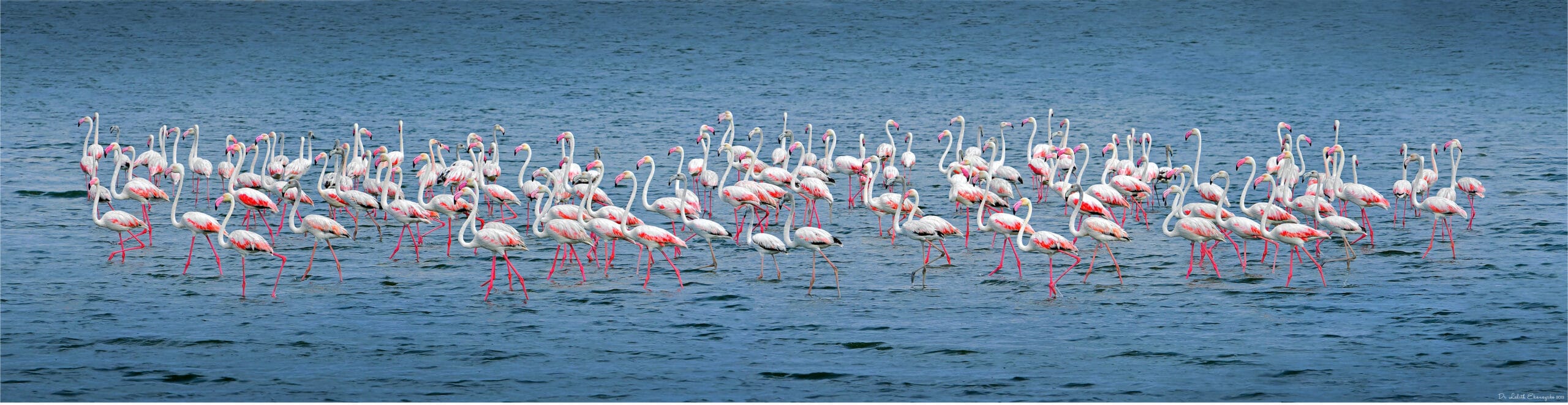
In the early light of dawn, a tranquil lagoon shimmers in gold. Then, almost magically, the horizon blushes pink — a sweeping flock of flamingos glides in, landing gracefully with outstretched wings. For a few precious months every year, the northern and southeastern wetlands of Sri Lanka transform into a sanctuary for these elegant, otherworldly birds.
Flamingos may not be what most people associate with Sri Lanka, but for birdwatchers and nature lovers, witnessing a mass of vibrant pink feathers mirrored in still water is among the island’s most surreal and awe-inspiring wildlife encounters.
🦩 Meet the Visitors – Greater Flamingo (Phoenicopterus roseus)
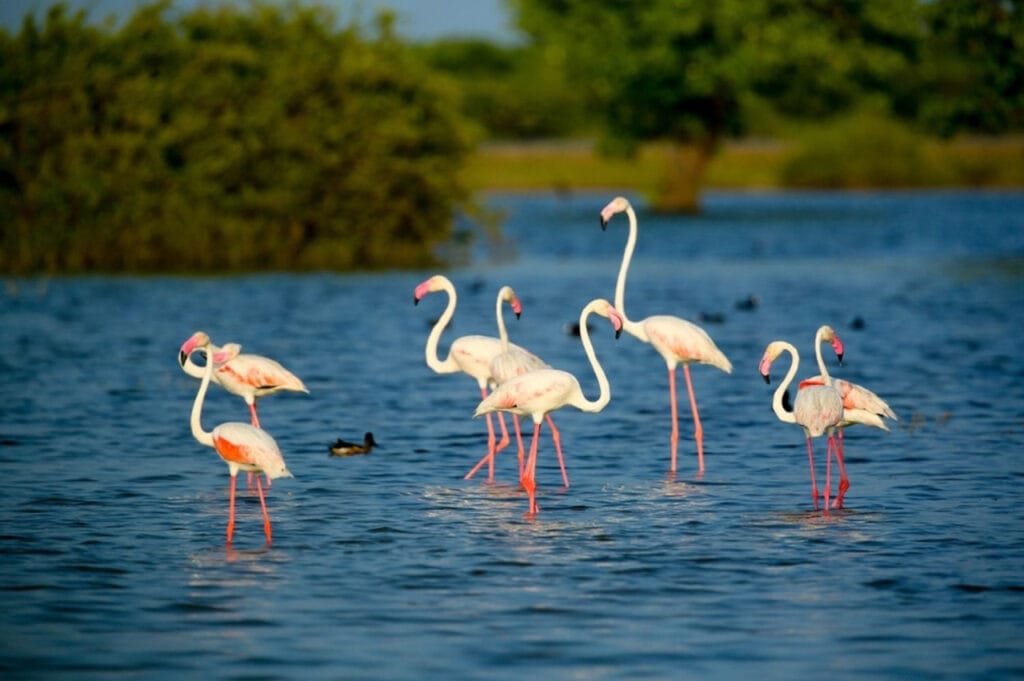
The Greater Flamingo, the largest and palest of the world’s six flamingo species, is the one most commonly seen in Sri Lanka. These birds are winter migrants, arriving in flocks that range from a few dozen to several thousand, depending on the year.
Distinctive Features:
- Height: up to 150 cm (5 feet)
- Wingspan: over 140 cm
- Colour: Pale pink to deep salmon, depending on diet and age
- Beak: Downward-curved with a black tip — adapted for filter-feeding on brine shrimp and algae
Their characteristic pink colour comes from carotenoid pigments in their food — and the saline lagoons of Sri Lanka offer a perfect buffet.
📍 Best Places to See Flamingos in Sri Lanka
🐦 Bundala National Park (Southern Coast)
- Sri Lanka’s first Ramsar wetland site
- One of the most reliable locations for flamingos, especially from December to March
- Salterns, lagoons, and shallow water bodies make an ideal feeding ground
- Often seen alongside pelicans, painted storks, and spoonbills
🐦 Jaffna Peninsula & Kilinochchi (Northern Sri Lanka)
- The largest flocks — sometimes 5,000+ individuals — can be seen in and around Elephant Pass Lagoon, Chundikulam, and Thondamanaru
- Still off the main tourist trail, offering peaceful, crowd-free birdwatching
- Accessible from Jaffna, with visits best timed from January to March
🐦 Mannar & Vankalai Sanctuary (Northwest Coast)
- A true birdwatching paradise, home to over 150 species
- Flamingos arrive in large numbers between December and April
- Shallow tidal flats offer stunning photo opportunities of reflections and take-offs
📷 Tips for Spotting Flamingos in Sri Lanka
- Time Your Visit
- Best months: December to March, when flocks are largest
- Early mornings and late afternoons offer the best light and activity
- Use Binoculars or Telephoto Lens
- Flamingos are shy and maintain distance from observers
- A 300–600mm lens will reward you with close-ups of courtship dances and feeding
- Choose a Local Naturalist or Guide
- They know seasonal movement patterns and can help you access hidden lagoons
- Local guides often offer bird hides or canoe safaris for quieter viewing
- Stay Patient and Quiet
- Approach slowly or remain still at a distance — flamingos are sensitive to noise and motion
- The stillness of a large flock feeding in unison is part of the magic
- Combine Destinations
- Combine Bundala with Yala or Udawalawe for a safari-and-birding combo
- Explore Jaffna with its rich Hindu culture, colonial heritage, and lesser-known wildlife gems
🦩 Flamingos in Flight – A Celestial Dance
One of the most magical sights in Sri Lanka is a flock of flamingos taking flight — long necks outstretched, pink wings flashing black against a blue sky, calling in unison. They lift off as one, forming elegant aerial spirals that feel choreographed by nature itself.
Even seasoned birders describe the experience as humbling, even emotional — the kind of moment that stays with you long after you leave the lagoon behind.


🌿 Why Flamingos Matter – A Fragile Beauty
Flamingos are indicators of wetland health. Their presence signifies a delicate balance of salinity, food availability, and ecosystem stability. Unfortunately, they are vulnerable to:
- Wetland degradation and encroachment
- Pollution and unregulated tourism
- Disturbance during breeding or feeding
By promoting low-impact, ethical flamingo watching, you’re helping preserve these magical habitats for both birds and future generations of nature lovers.
🇳🇿 For New Zealanders – A Contrast in Colour and Climate
For travellers from New Zealand, where flamingos are only seen in zoos or documentaries, seeing thousands of wild flamingos in Sri Lanka’s tropical wetlands is a surreal, almost dreamlike experience. There’s something profoundly moving about encountering such grace in the wild — far from crowds, surrounded by silence and salt wind.
Whether you’re an experienced birder or a casual traveller, Sri Lanka’s flamingos will capture your heart in an instant.


Comments are closed