




Monkeys of Sri Lanka – Jungle Acrobatics & Sacred Companions
With their playful charm, expressive faces, and boundless energy, monkeys are some of the most captivating creatures found in Sri Lanka’s wild and urban landscapes alike. Whether seen swinging through ancient temple trees or playfully interacting at roadside shrines, these primates offer unforgettable moments for wildlife lovers and photographers.
A Rich Primate Heritage
Sri Lanka is home to three endemic monkey species, making it a biodiversity hotspot for primatologists and ecotourists:
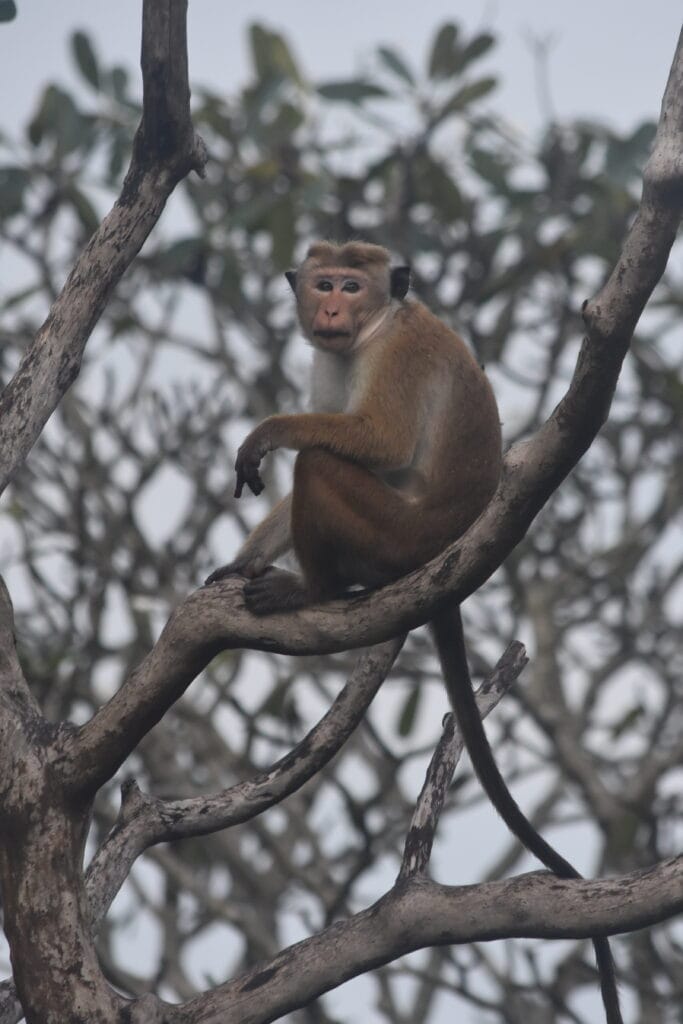
- Toque Macaque (Macaca sinica)
- Endemic to Sri Lanka
- Recognisable by the toque-shaped swirl of hair on its head
- Found throughout the island, from city temples to deep forests
- Known for its bold, curious nature and complex social behaviour
- Frequently seen in Polonnaruwa, Sigiriya, Anuradhapura, and Dambulla ruins
- Purple-faced Leaf Monkey (Semnopithecus vetulus)
- Shy, leaf-eating, tree-dwelling monkey
- Deep purple-black fur with a striking white beard
- Endemic and critically endangered
- Prefers rainforest habitats, such as Sinharaja, Kitulgala, and Knuckles Range
- Rare to spot, but a rewarding sight for patient birders and photographers
- Gray Langur (Semnopithecus priam)
- Graceful and long-limbed, with light grey fur and a black face
- Common in dry zones, especially in Wilpattu, Yala, and Minneriya
- Highly arboreal, often seen in mixed-species troops with macaques
- Sacred in Hindu culture and often protected near temples
Where to See Monkeys in Sri Lanka
Monkeys are ubiquitous in Sri Lanka, from forests and parks to temples and towns. Some of the best places to observe them include:
- Polonnaruwa Ancient City – Watch toque macaques among ancient ruins; this site is also featured in Disney’s Monkey Kingdom documentary.
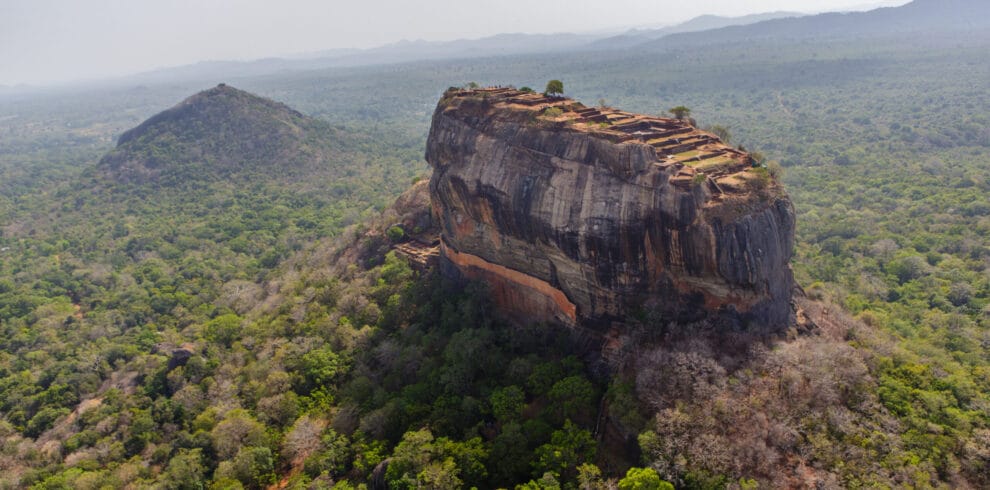
- Dambulla & Sigiriya – Macaques and langurs roam freely around these iconic sites.
- Sinharaja Rainforest – Ideal for spotting the elusive purple-faced leaf monkey in its natural canopy home.
- Knuckles Mountain Range & Horton Plains – Combine misty hikes with leaf monkey and langur sightings.
- Minneriya & Wasgamuwa – While elephants are the stars, monkeys often provide comic relief in the treetops nearby.



Behaviors & Photography Highlights
- Monkeys live in tight-knit social groups, and their interactions—grooming, fighting, playing—are a joy to observe and capture.
- Toque macaques are famously photogenic and are often seen caring for infants or pulling off food heists near picnic spots.
- Langurs are more serene and statuesque, often seen silhouetted against treetops at sunrise.
- Leaf monkeys, with their deep calls and shy nature, offer a more meditative wildlife viewing experience.
Cultural Significance
Monkeys hold an honoured place in South Asian tradition. In Sri Lankan temples, especially those with Hindu influence, monkeys are considered sacred, embodying traits of Hanuman, the monkey god of strength and devotion. They’re often fed by devotees and tolerated in places where other animals are not.
This human-animal connection, forged over centuries, creates uniquely intimate viewing opportunities, especially around heritage sites and forest hermitages.
Tips for Observing Monkeys Respectfully
- Maintain a safe distance – monkeys are wild animals and may become aggressive if provoked or fed.
- Avoid feeding them – it disrupts natural behaviour and can lead to dependency or conflict.
- Early mornings and late afternoons are best for activity.
- Bring a zoom lens or binoculars, especially in forested areas where some species stay high in the canopy.
Wild Companions of a Timeless Land
For New Zealand travellers, seeing monkeys in the wild is a rare thrill. Unlike Aotearoa’s peaceful bird-filled bush, Sri Lanka’s forests are alive with the chatter, drama, and energy of primates. Whether you’re hiking through rainforest trails, exploring ancient cities, or just sipping tea at a rural guesthouse, monkey encounters are almost guaranteed — and always memorable.


Comments are closed