
Dambulla Rock Temple

  • Home
  • Dambulla Rock Temple

Dambulla Rock Temple – The Golden Crown of Sri Lanka’s Sacred Heritage

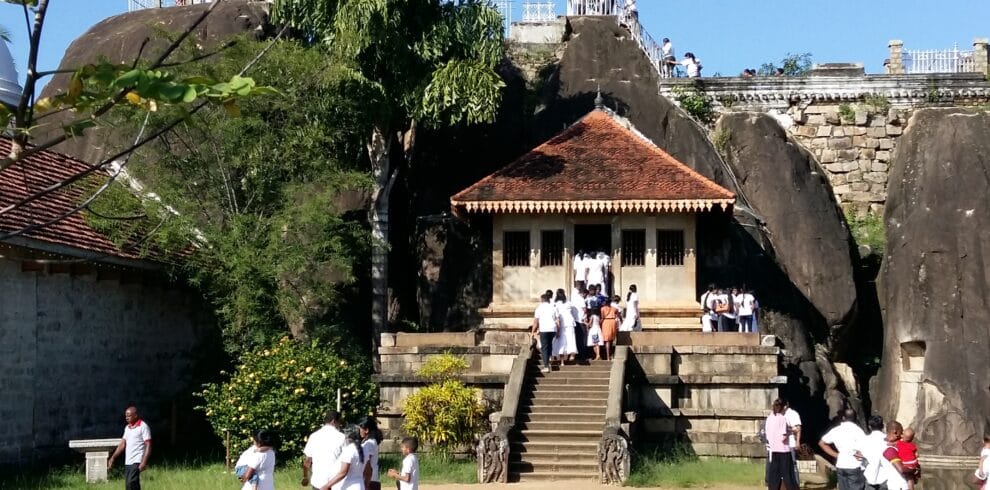
Rising 160 meters above the surrounding plains of Sri Lanka’s dry zone, the Dambulla Rock Temple — also known as the Golden Temple of Dambulla — is a spiritual and artistic masterpiece that has stood the test of time for over two millennia. This UNESCO World Heritage Site is the largest and best-preserved cave temple complex in Sri Lanka, showcasing centuries of Buddhist devotion carved into living stone.

For visitors seeking a blend of history, spirituality, art, and panoramic beauty, Dambulla is a must-visit, positioned conveniently in the island’s Cultural Triangle, close to Sigiriya, Polonnaruwa, and Kandy.

🏯 A Sacred Sanctuary Through the Ages

The origins of the temple date back to the 1st century BCE, when King Valagamba of Anuradhapura sought refuge in these caves during a South Indian invasion. After regaining his throne, he transformed the caves into a sacred temple in gratitude to the monks who sheltered him.

Since then, successive kings and devotees have contributed to the complex, making it a living monument of Buddhist worship that spans over 22 centuries.

🕉️ Architectural and Artistic Splendor – Five Sacred Caves

The Dambulla Temple complex consists of five major caves, each filled with a stunning array of Buddha statues, frescoes, and carvings, all nestled within the natural contours of the rock.

  1. Devaraja Lena (Cave of the Divine King)
  • Houses a 14-meter-long reclining Buddha, sculpted directly from the rock
  • Features the serene figure of Ananda, Buddha’s loyal disciple, at his feet
  1. Maharaja Lena (Cave of the Great Kings)
  • The largest and most elaborate cave
  • Contains over 50 statues, including those of King Valagamba and King Nissanka Malla
  • Ceiling and wall paintings depict Jataka tales and significant Buddhist events
  1. Maha Alut Vihara (Great New Monastery)
  • Features 18th-century murals in vivid reds, blues, and golds
  • Houses a large seated Buddha under a Makara Torana (dragon arch)
  1. & 5. Pachima Viharaya and Devana Alut Viharaya
  • Smaller yet tranquil caves
  • Feature unique Buddha postures and devotional spaces

Each cave is a blend of rock-cut architecture and traditional Kandyan artistry, offering an immersive and meditative atmosphere.

🎨 Frescoes and Murals – Stone Canvases of Devotion

The ceilings and walls of the caves are completely covered in paintings, extending over 2,000 square meters, making it one of the largest collections of ancient Buddhist murals in South Asia.

These intricate frescoes depict:

  • Life events of the Buddha
  • Jataka stories (previous lives of the Buddha)
  • Scenes of worship, warfare, and royal patronage
  • The arrival of Buddhism in Sri Lanka

The colors — mostly natural pigments — remain vibrant despite centuries of exposure, a testament to early conservation skills and spiritual care.

🌍 Dambulla in the Global Context of Sacred Sites

At its peak of artistic and spiritual influence (1st century BCE to 18th century CE), Dambulla stood among other remarkable heritage sites around the world:

Contemporary Heritage Sites

Era/Significance

Ajanta & Ellora Caves (India)

Buddhist and Hindu rock-cut caves (2nd century BCE onwards)

Petra (Jordan)

Nabatean rock city carved into cliffs (1st century BCE)

Machu Picchu (Peru)

Incan royal retreat in the Andes (15th century CE)

Canterbury Cathedral (UK)

Icon of English Christianity (rebuilt 1070–1174 CE)

Waitangi Treaty Grounds (New Zealand)

Birthplace of national identity (signed 1840)

What makes Dambulla unique is its unbroken use as a place of worship for over 2,200 years — a rare continuity in the world of sacred spaces.

🌅 Panoramic Views and Spiritual Calm

After climbing a gently winding path lined with monkeys and frangipani trees, visitors are rewarded with breathtaking views of:

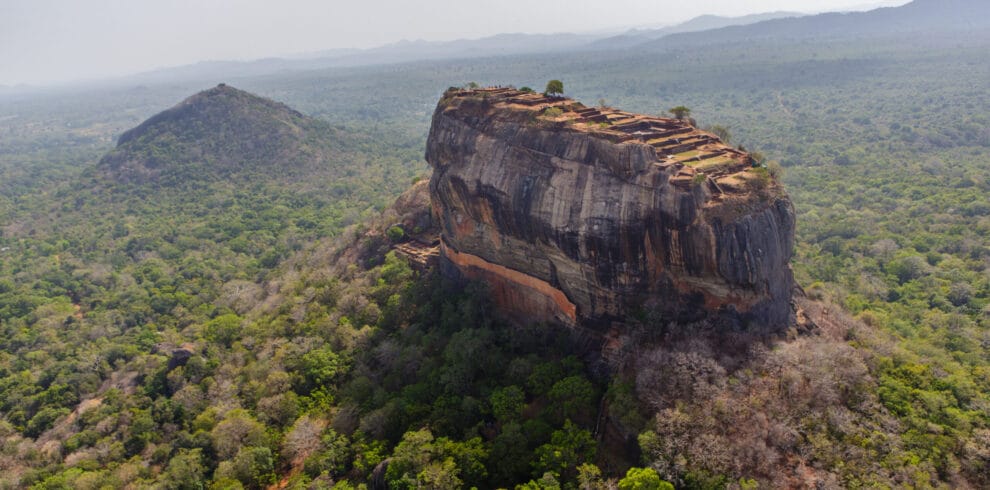
  • The Sigiriya Rock Fortress in the distance
  • The vast dry zone and shimmering tanks
  • A golden statue of Buddha at the base of the hill — one of the largest sitting Buddha statues in Asia

🧘 Travel Tip: Visit early morning or just before sunset for fewer crowds and cooler temperatures. Dress modestly and bring a shawl or sarong to cover shoulders and legs.

🙏 Why New Zealand Visitors Should Explore Dambulla

  • For art lovers: A living gallery of rock painting and sculpture that rivals any museum
  • For spiritual travelers: A sacred place for reflection and inner peace
  • For families and culture seekers: Educational and awe-inspiring, especially when paired with nearby Sigiriya
  • For history buffs: A chronicle of Buddhism’s journey through Sri Lanka
  • For landscape enthusiasts: Panoramic views, natural caves, and eco-rich surroundings

Much like Rotorua’s geothermal temples and cultural centres, Dambulla offers an authentic and serene encounter with the spiritual heart of a nation.

📿 Dambulla – Where Rock Becomes Sacred and Silence Speaks

Dambulla is not just a historical site — it is a sacred breath of stillness, a place where stone is shaped not only by tools, but by faith, time, and reverence. Whether you’re tracing the journey of Buddhism or simply seeking inspiration, the Dambulla Rock Temple welcomes all with timeless grace.