
Mihintale

Mihintale – The Cradle of Buddhism in Sri Lanka

Perched on a sacred hill just 13 kilometers east of Anuradhapura, Mihintale is far more than a beautiful ancient site — it’s where the spiritual story of Sri Lanka truly began. Revered as the birthplace of Buddhism on the island, Mihintale is a pilgrimage site steeped in legend, history, and architectural wonder.

For New Zealand travellers — who often seek meaningful, nature-immersed cultural experiences — Mihintale offers a tranquil yet profound journey through Sri Lanka’s religious awakening and ancient monastic life.

A Sacred Encounter: The Origin of Buddhism in Sri Lanka

According to tradition, it was on the lush hillside of Mihintale in 247 BCE that Arahat Mahinda, the son of Indian Emperor Ashoka, met King Devanampiyatissa while the king was hunting deer. This historic meeting led to the official introduction of Buddhism in Sri Lanka, an event that would shape the island’s identity for millennia.

Since then, Mihintale has been revered as a spiritual hub and developed into one of the earliest monastic complexes in the world.

What to Explore at Mihintale

The Grand Stairway – A Pilgrimage Through Time

Climbing Mihintale is a journey in itself — a granite staircase of 1,840 steps takes you through ancient forest, shrines, and monastic ruins to panoramic views at the summit. Along the way, each level unfolds a chapter of Buddhist history and devotion.

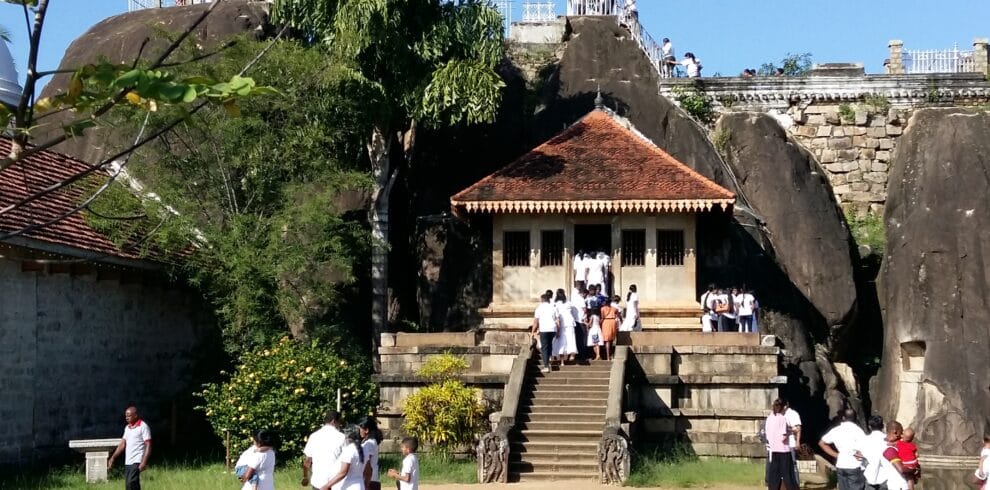
Ambasthala Dagoba – The Spiritual Core

This small but significant stupa is said to mark the exact spot where Arahat Mahinda first spoke to King Devanampiyatissa. The serene white dome is surrounded by stone pillars from ancient image houses, creating a deeply sacred atmosphere.

Aradhana Gala (Rock of Invitation)

At the top of a towering boulder, it is believed that Mahinda stood to deliver his first sermon. The climb offers a spiritual and physical reward — breathtaking 360-degree views over forests and fields.

Kantaka Cetiya – The Oldest Stupa

Dating back to the 3rd century BCE, Kantaka Cetiya features intricate carvings, moonstones, and guardian stones. It is one of the oldest and most archaeologically significant stupas in Sri Lanka.

The Alahana Pirivena Complex – A Lost University in the Hills

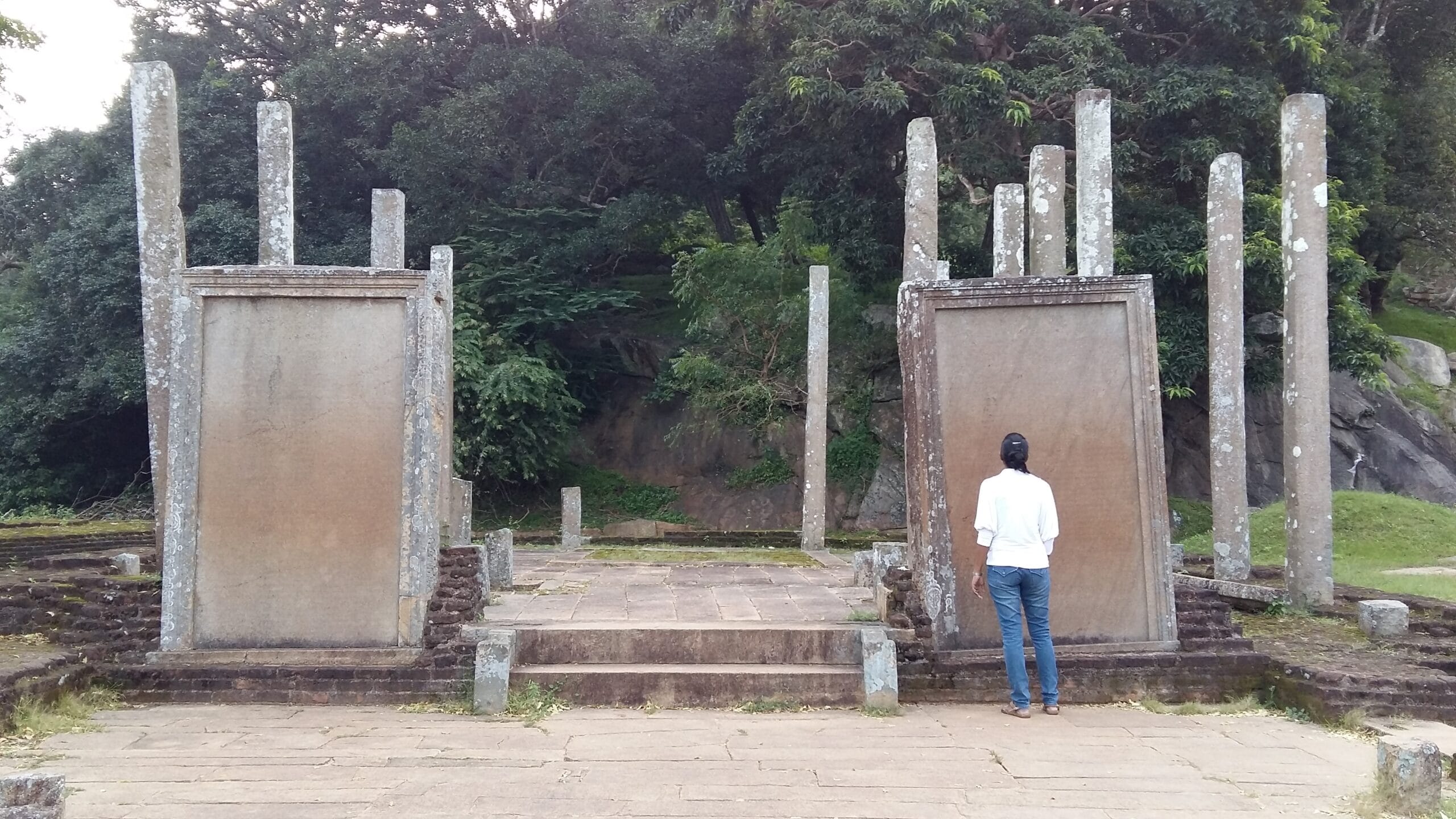
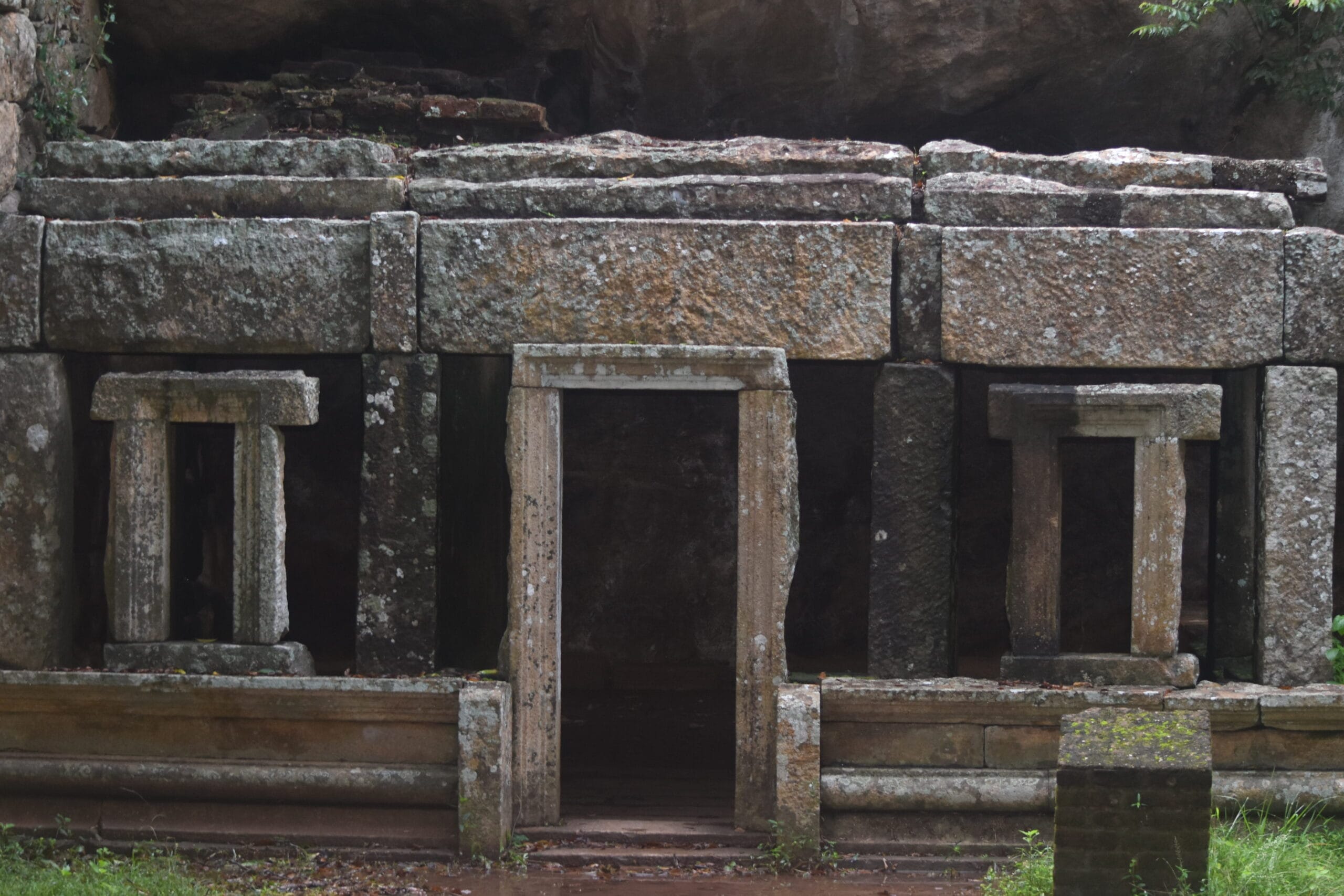
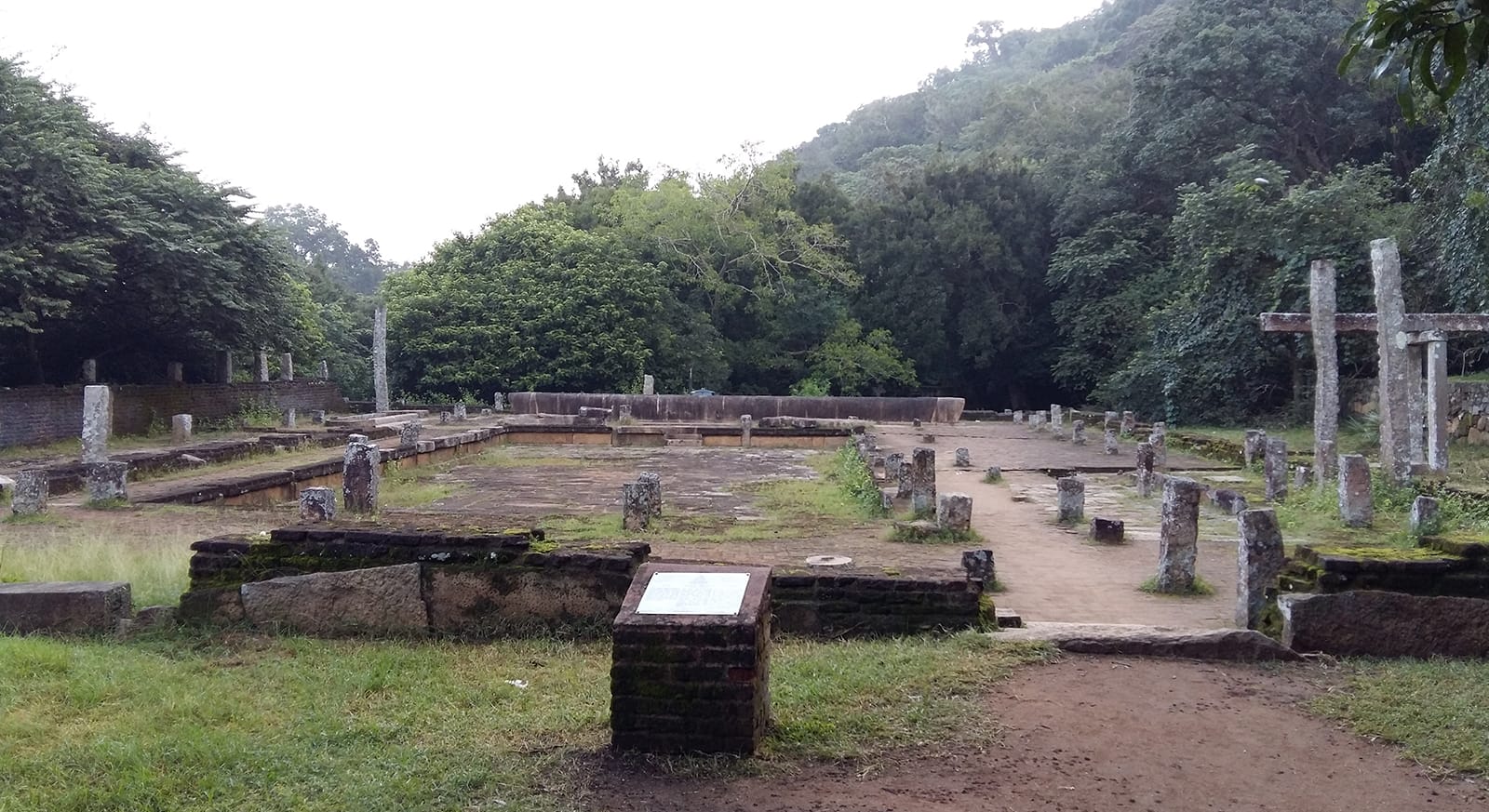
The Alahana Pirivena, located within the Mihintale monastic complex, was an ancient monastic university and residential complex. Its name, meaning “place of cremation,” suggests that it was once both a spiritual training center and a resting place for the deceased monks — blending scholarly pursuit with ritual significance.

Key Features of Alahana Pirivena:

  • Massive Meditation Houses and stone inscriptions reveal that this was a center for monastic education and meditation practice.
  • Remnants of chapter houses, stone staircases, and pillared halls suggest a vibrant and organized community of resident monks.
  • The layout reflects advanced architectural planning, with designated areas for study, living, worship, and daily rituals.

For historically curious travelers, Alahana Pirivena paints a picture of a time when Mihintale functioned as a Buddhist university, long before such institutions existed elsewhere in the world.

The Ancient Hospital Complex – A Testament to Compassionate Healthcare

Among Mihintale’s many archaeological treasures is the ruins of an ancient hospital, located at the base of the hill near the modern road.

Key Discoveries:

  • Stone medicinal troughs (beheth oruwa) used for immersing patients in herbal baths — still intact and on display.
  • Surgical instruments, stone grinding bases, and medicinal storage compartments, discovered during excavations, show that Mihintale practiced Ayurvedic medicine centuries ago.
  • The hospital is believed to date back to the 9th century, during the reign of King Sena II, although evidence suggests medical care existed here even earlier.

This hospital is considered one of the oldest known public hospitals in the world, a symbol of the Buddhist emphasis on healing, compassion, and communal care.

For New Zealand Travellers: Why Mihintale Is a Must-Visit

  • Spiritual Depth: Ideal for those seeking peace, mindfulness, and historical spirituality in natural surroundings.
  • Outdoor Exploration: The climb and the expansive site make it a great destination for hikers and nature lovers.
  • Educational Value: Insight into early Buddhist culture, architecture, healthcare, and governance — all in one place.
  • Less Crowded: Compared to other heritage sites, Mihintale offers a quieter, more personal experience.

Travel Tips

  • Best Time to Visit: Early morning or late afternoon for cooler temperatures and fewer crowds.
  • What to Bring: Comfortable shoes for climbing, modest attire (cover shoulders and knees), water, and sun protection.
  • Photography: Allowed, but always be respectful around sacred spaces.

Mihintale – A Sacred Summit of Culture, History, and Healing

From the echo of ancient footsteps on stone stairways to the silent stories whispered by ruins of hospitals and monasteries, Mihintale invites you into a world where faith, knowledge, and compassion converged centuries ago. It’s not just a site — it’s a spiritual landscape where history is still alive.

Whether you’re a pilgrim, a historian, or a mindful traveler, Mihintale promises an experience as elevating as the climb itself.